
How to make Momo 
Origin of Momos
-
Country of Origin: Momo is originally a Tibetan dish, and it’s believed to have originated in Tibet. It spread to neighboring regions like Nepal, Bhutan, and India through trade routes.
-
Today, it’s popular across South Asia, especially in Nepal, Bhutan, and Northern India, where it’s been adapted with local flavors.
Utensils Needed for Making Momos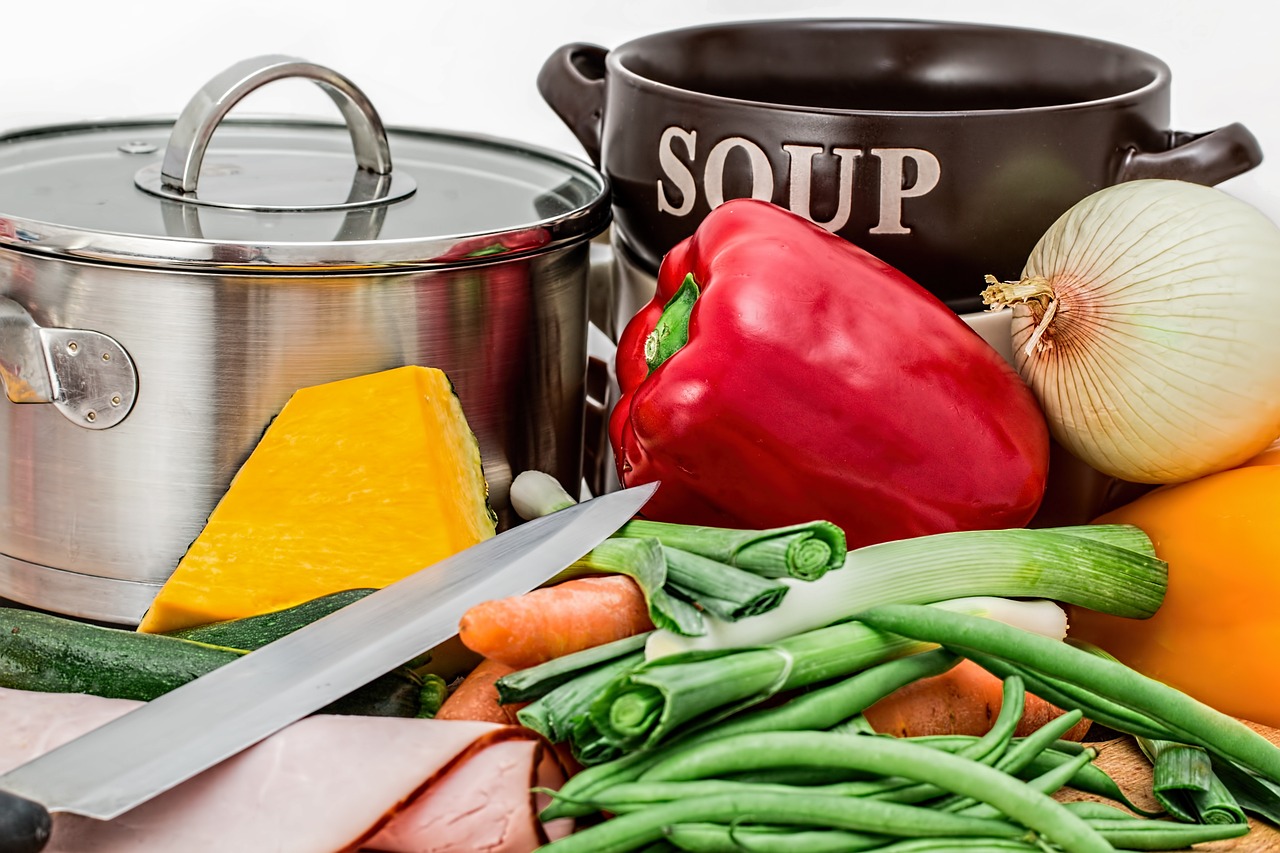
-
Mixing Bowl: For kneading dough and mixing fillings.
-
Rolling Pin: To roll out dough circles.
-
Knife/Chopper: For chopping ingredients finely.
-
Steamer: For steaming the momos.
-
Bamboo Steamer or Metal Steamer Tray: Optional, but helpful if making a large quantity.
-
Dough Cutter (optional): For uniform dough portions.
-
Parchment Paper or Oil: To prevent sticking in the steamer.
Ingredients for Momos
Dough:
-
All-purpose flour: 1.5–2 cups
-
Salt: A pinch
-
Water: As needed for kneading
Vegetable Filling:
-
Cabbage: Finely chopped or grated
-
Carrot: Grated
-
Onion: Finely chopped
-
Ginger and Garlic: Minced
-
Green chilies: Chopped (optional)
-
Spring Onions: Chopped
-
Salt, Pepper, Soy Sauce: To taste
Meat Filling (Optional):
-
Ground Meat (Chicken/Pork/Beef): 200g
-
Onion, Ginger, Garlic: Minced
-
Green Chilies and Spring Onions: Optional, for flavor
-
Salt, Pepper, Soy Sauce: To taste
Dipping Sauce (Tomato Chutney):
-
Tomatoes: 2–3, boiled or roasted
-
Garlic and Chilies: To taste
-
Sesame Seeds: Roasted
-
Salt: To taste
Types of Momos 
-
Steamed Momos: The classic preparation, where momos are steamed until soft and tender.
-
Fried Momos: Momos are deep-fried or pan-fried after steaming, making them crispy.
-
Soup Momos (Thukpa): Steamed momos served in a hot broth or soup, popular in Nepal.
-
Open Momos: Momos shaped like open cups, with visible filling.
-
Tandoori Momos: Marinated in spices and cooked in a tandoor (clay oven), often served with a charred, smoky flavor.
-
Jhol Momos: A Nepalese variety served in a spiced tomato broth.
How to Make Momos
Step 1: Prepare the Dough
-
In a bowl, mix flour and salt, then gradually add water.
-
Knead until smooth and elastic, then cover with a damp cloth and let it rest for 20-30 minutes.
Step 2: Prepare the Fillin
-
Mix all the filling ingredients (either veggie or meat) in a bowl.
-
Add seasoning like salt, pepper, soy sauce, and stir well.
Step 3: Shape the Momos
-
Divide the dough into small portions, roll each into a thin circle.
-
Place a spoonful of filling in the center and fold, using your thumb and fingers to pinch and pleat.
Step 4: Steam the Momos
-
Place momos in a lined or greased steamer.
-
Steam for 10-12 minutes or until the dough becomes translucent.
Step 5: Prepare the Dipping Sauce
-
Blend boiled/roasted tomatoes with garlic, chilies, and sesame seeds.
-
Adjust salt and spice levels.
Advantages of Momos
-
Nutritional Value: Momos can be high in protein (if filled with meat) and fiber (if filled with vegetables).
-
Versatility: Easily customized to fit dietary preferences, from vegan to high-protein diets.
-
Portable & Convenient: Perfect as a snack or meal on the go.
-
Variety: Endless options for fillings and sauces, giving a variety of tastes and textures.
Disadvantages of Momos
-
High in Carbohydrates and Fat: Fried or heavily dough-based momos can be calorie-dense.
-
Oil and Sodium Content: Certain sauces and fillings can have high salt and oil levels, which aren’t ideal for health if consumed frequently.
-
Risk of Unhygienic Preparation: Street momos, if not properly cooked, can pose a health risk.
Health Benefits of Momos
-
Good Source of Protein: Meat-filled momos provide high protein, essential for muscle growth and repair.
-
Rich in Vegetables: Veggie momos can offer vitamins, minerals, and fiber, promoting digestion and health.
-
Low Fat (Steamed): Steamed momos are relatively low in fat, making them a lighter snack option.
-
Easy to Digest: Soft and simple ingredients make momos easy on the digestive system.